
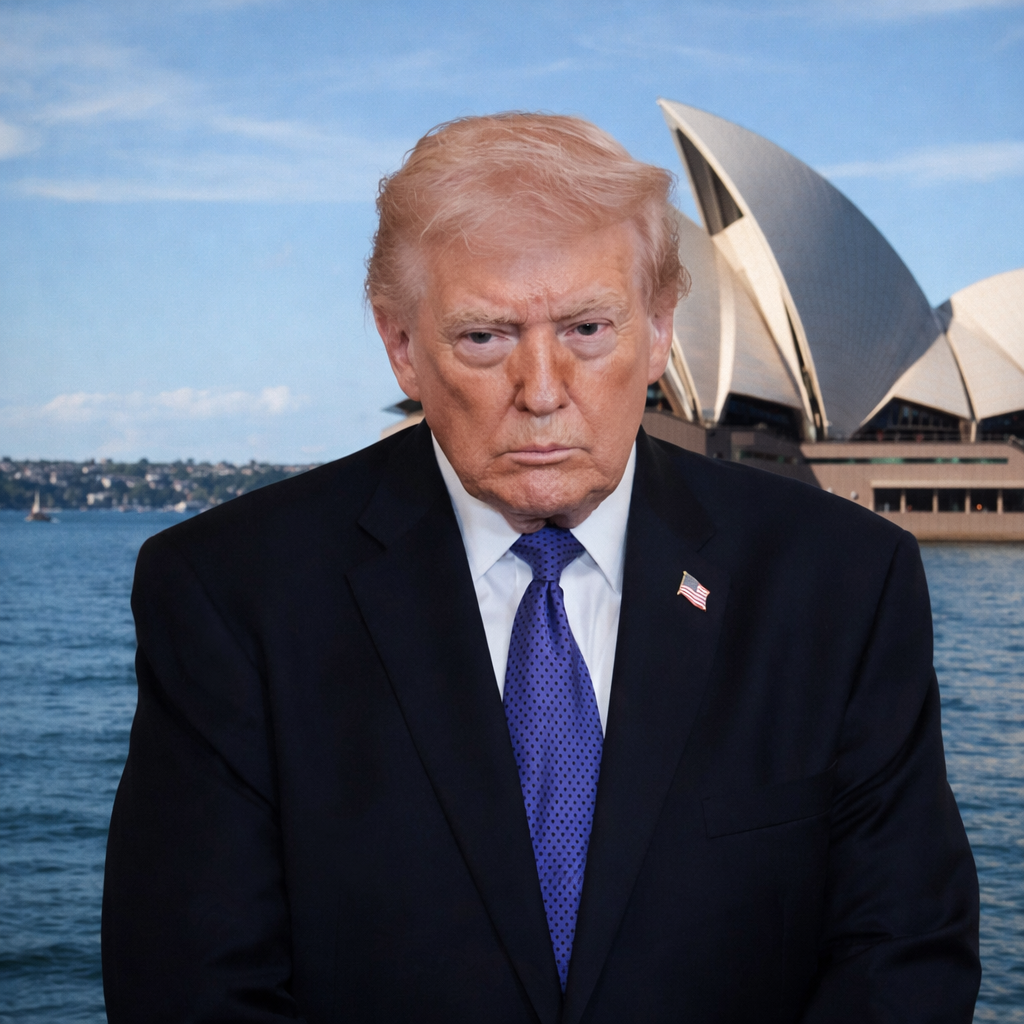
Australia’s political debate is shifting. Immigration levels, the cost-of-living crisis, housing shortages, and global trade tensions are now dominating national conversations. These issues are also the foundations of the populist politics that propelled Donald Trump to power in the United States.
The question increasingly being asked in political circles is simple: what would Australia look like if it elected a leader with a similar political style and policy agenda?
The answer suggests a country that might look familiar in some ways but significantly different in others.
Immigration Would Likely Become the Central Political Issue
Immigration is already one of the most contentious political topics in Australia.
Public concern has intensified amid the housing shortage and rapid population growth, with polls showing strong support for reducing migration levels or even temporarily pausing immigration until infrastructure catches up.
The opposition has already proposed cutting net overseas migration to about 160,000 people, arguing it would ease pressure on housing and services.
A Trump-style leader would likely push this debate even further. In the United States, Trump promoted policies that aimed to drastically reduce immigration and shift the system toward a strict skills-based model.
In Australia, that could mean:
- A sharp reduction in migration targets
- Stronger border enforcement and stricter visa rules
- A heavier emphasis on economic migrants rather than family reunification
Supporters would argue that this approach protects housing supply and wages. Critics warn it could create labour shortages in sectors like healthcare, construction, and agriculture that rely heavily on migrant workers.
Economic Nationalism Could Replace Free Trade
Another hallmark of Trump’s leadership has been aggressive economic nationalism.
His administration imposed sweeping tariffs on imports, arguing they were necessary to protect domestic manufacturing and correct trade imbalances.
In 2025, the U.S. government expanded tariffs on a wide range of imports, including steel, cars, and consumer goods, in an effort to rebuild American manufacturing.
If similar policies were adopted in Australia, the country’s economic model could change significantly.
Australia has traditionally embraced open markets and global trade, particularly with Asia. A nationalist economic strategy might instead focus on:
- Tariffs on imported goods
- Government incentives to bring manufacturing back onshore
- Stronger restrictions on foreign ownership in strategic industries
However, economists warn that tariffs often raise prices for consumers and can trigger retaliatory trade disputes. Some models of U.S. tariffs suggest they could reduce economic growth and wages over time.
For a trade-dependent economy like Australia’s, those risks would be even more significant.
Politics Would Become More Confrontational
Beyond policy, the biggest change might be in the tone of Australian politics itself.
Trump’s political brand is defined by populism, direct attacks on opponents, and a heavy reliance on social media and mass rallies.
Australia has historically had a more consensus-driven political culture, but signs of change are emerging. Immigration protests have drawn tens of thousands of participants in cities across the country in recent years, reflecting rising public anger about population growth and infrastructure pressure.
At the same time, populist parties campaigning on anti-immigration platforms are gaining renewed attention as voters grow frustrated with cost-of-living pressures and housing shortages.
A Trump-style leader would likely amplify these divisions, turning cultural and identity debates into major political battlegrounds.
Foreign Policy Could Shift Toward “Australia First”
Australia’s foreign policy has traditionally been built around alliances and international cooperation, particularly with the United States, Japan, and regional partners.
But Trump’s approach to diplomacy emphasized national self-interest and transactional relationships.
A similar approach in Australia might involve:
- A more sceptical stance toward global institutions
- Harder bargaining with allies on defence and trade
- Greater focus on domestic economic security over international commitments
Such a shift could complicate Australia’s delicate balance between its security partnership with the United States and its deep economic ties with Asia.
Why It Hasn’t Happened Yet
Interestingly, Australia has so far resisted the full rise of Trump-style politics.
In fact, analysts noted that Australia’s most recent federal election delivered a strong endorsement of centrist leadership and was partly shaped by voter backlash against Trump-style rhetoric and global political volatility.
Australia’s parliamentary system also makes it harder for a single leader to dominate politics in the way a U.S. president can. Prime ministers depend heavily on party support and parliamentary majorities, which tend to moderate more radical agendas.
The Real Question
The bigger question may not be whether Australia will elect a Trump-style leader, but how much of that political style is already influencing the debate.
Immigration cuts, economic nationalism, and populist messaging are increasingly part of mainstream political discussion.
Australia may never fully replicate American politics. But the issues that fueled Trump’s rise — housing pressures, globalisation, migration, and cultural identity — are now shaping the Australian political landscape as well.
And that means the conversation about what a “Trump-style Australia” might look like is no longer purely hypothetical.
Discover more from The Oceanic Press
Subscribe to get the latest posts sent to your email.