
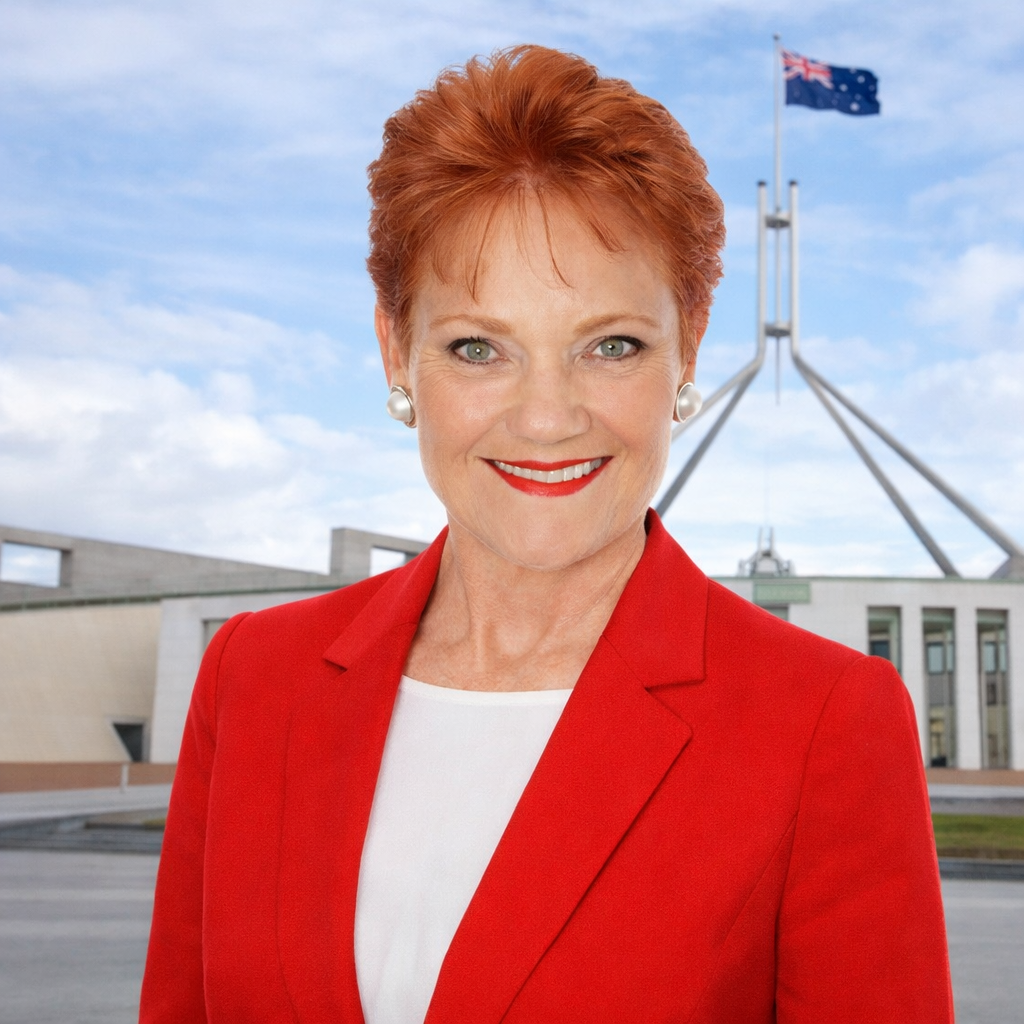
A major overhaul of Australia’s childcare subsidy system passed federal parliament in early 2025, guaranteeing families access to at least three days of subsidised childcare each week. The reform marked one of the most significant changes to early childhood education policy in years, though it also exposed clear political divisions in Canberra. Among those who opposed the legislation was Pauline Hanson, leader of Pauline Hanson’s One Nation.
The legislation, known as the Early Childhood Education and Care (Three Day Guarantee) Bill 2025, removed a key restriction from Australia’s childcare subsidy system and expanded access to early childhood education for thousands of families.
What the Bill Did
Before the reform, Australia’s Child Care Subsidy was tied to an “activity test,” which determined how many subsidised childcare hours a family could access based on how much parents worked, studied or volunteered.
The 2025 legislation abolished that restriction for a baseline level of care.
Under the new system, families became guaranteed 72 hours of subsidised childcare per fortnight, equivalent to about three days per week, regardless of employment status. Families who met higher activity requirements could still access up to 100 hours of subsidised care per fortnight.
The Albanese government argued the reform would make early childhood education more accessible while helping parents participate in the workforce. Ministers also framed the policy as cost-of-living relief for families struggling with childcare fees.
Education Minister Jason Clare told parliament during debate that removing the activity test would ensure more children could access early learning while supporting parents who wanted to return to work.
The policy was scheduled to take effect from January 2026, when the guaranteed subsidised hours would begin applying nationwide.
Pauline Hanson’s Opposition
Despite the bill’s passage, Pauline Hanson voted against the legislation in the Senate.
Parliamentary voting records show Hanson voted “No” during the Senate divisions on 13 February 2025, opposing the bill’s final passage.
Hanson and fellow One Nation senator Malcolm Roberts were among a minority of senators who opposed the reform.
Hanson had long been critical of expanding government-funded childcare programs, and her voting record showed she had previously opposed several measures aimed at increasing childcare subsidies.
Coalition Opposition
The reform also faced opposition from the Liberal–National Coalition, which voted against the legislation in the Senate.
Coalition senators argued the removal of the activity test weakened the link between childcare subsidies and workforce participation. Critics claimed the change could shift subsidies toward families not actively participating in the workforce and increase government spending.
Opposition figures said childcare support should remain targeted primarily at working parents.
Support from Labor, Greens and Crossbench
Despite the opposition, the legislation ultimately passed with support from the Labor government, the Australian Greens, and several crossbench senators.
The Greens strongly supported abolishing the activity test, arguing the previous system limited access to early education for disadvantaged children and families.
Early childhood education advocates also welcomed the change, saying greater access to early learning would improve school readiness and long-term outcomes for children.
A Shift in Childcare Policy
Policy experts said the three-day guarantee represented a significant shift in Australia’s childcare system.
By guaranteeing a base level of subsidised childcare regardless of employment status, the reform moved Australia closer to a more universal early childhood education model.
Supporters viewed the policy as a long-overdue investment in families and children.
Critics, including Hanson and Coalition senators, argued it expanded government spending and changed the purpose of childcare subsidies.
By early 2026, with the reforms about to take effect, the vote remained one of the most consequential childcare policy decisions made by the Australian parliament in recent years.
Discover more from The Oceanic Press
Subscribe to get the latest posts sent to your email.