
President Donald Trump says the conflict between the United States and Iran could come to an end in the near future, even as tensions in the Middle East continue to drive instability in global energy markets.
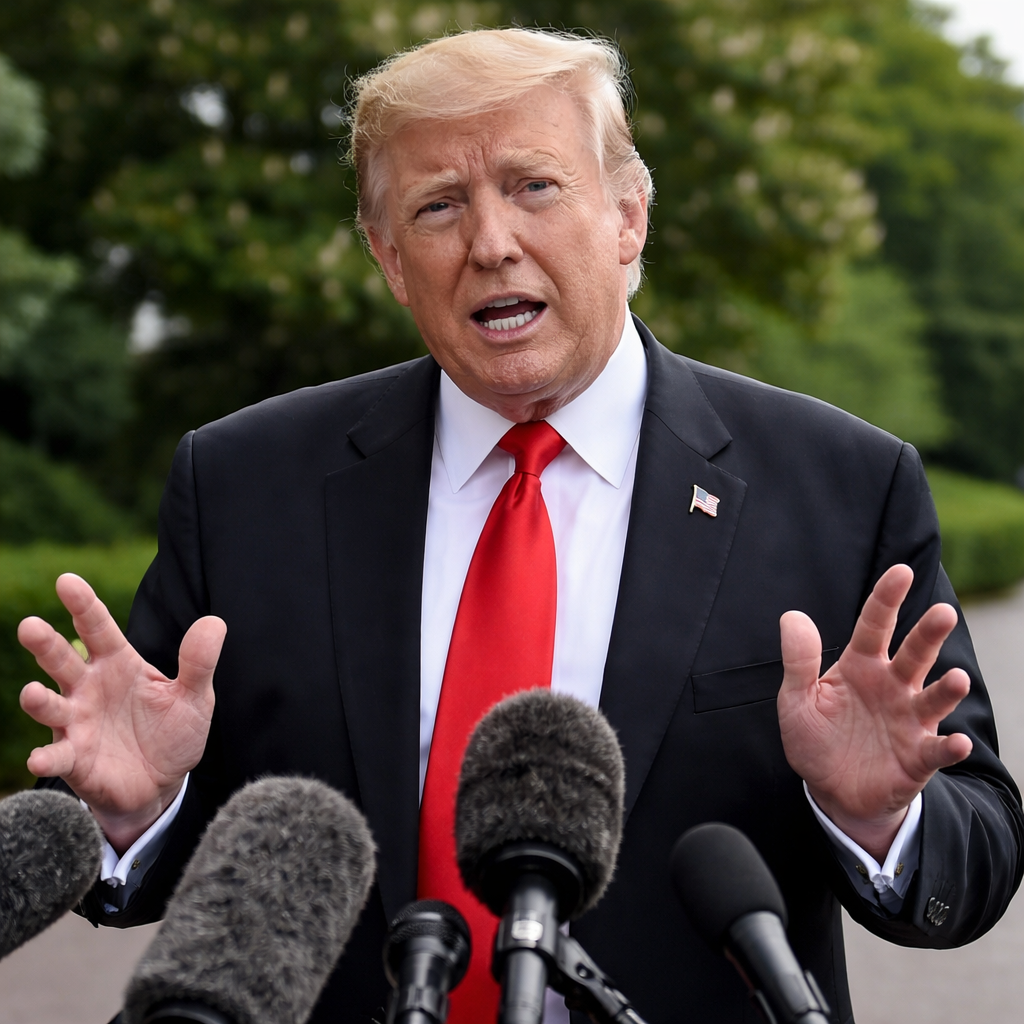
Speaking at a press conference in Florida, Trump told reporters that military operations against Iran have made rapid progress and that the campaign is approaching its final phase. While he suggested the war will conclude soon, he indicated that it is unlikely to end within the current week.
The conflict began on February 28 when the United States and Israel launched coordinated military operations targeting Iranian military infrastructure. Since then, strikes have expanded across multiple regions of the country.
Trump described the campaign as highly successful and claimed that Iranian military forces have suffered severe losses. According to the president, the strikes have significantly weakened Iran’s naval capabilities, air force, and air defence systems.
He said the conflict would be considered complete once Iran no longer has the ability to threaten the United States, Israel, or their allies for an extended period of time.
Despite the ongoing fighting, Trump predicted that global oil prices will eventually decline. Energy markets have been extremely volatile since the conflict began, with oil prices surging above $100 per barrel amid fears that shipping through the Strait of Hormuz could be disrupted.
The Strait of Hormuz is one of the most important routes for global oil transport. A large share of the world’s crude supply passes through the narrow waterway each day, making it a critical link in international energy markets.
Recent warnings from Iranian officials suggested that oil tankers traveling through the strait could face attacks, which raised concerns about possible supply disruptions.
Only limited commercial shipping traffic has continued moving through the passage during the heightened tensions.
Trump argued that the military campaign will ultimately make global oil supplies more secure by reducing Iran’s ability to threaten shipping routes. He also warned that additional strikes could be carried out if Iran attempts to block oil shipments or escalate attacks in the region.
The president indicated that the United States still has the capacity to target additional strategic infrastructure in Iran if necessary. Among the potential targets mentioned were parts of the country’s power grid and other key facilities.
During the press conference, Trump also discussed a recent phone conversation with Russian President Vladimir Putin. According to the president, the two leaders spoke about possible ways to bring the conflict to an end.
Trump said Putin expressed interest in proposals aimed at helping accelerate a resolution to the war.
The president also commented on Iran’s recent leadership transition following the death of its previous supreme leader. When asked about the appointment of Mojtaba Khamenei as the new leader, Trump said he was disappointed with the decision but declined to comment on whether the United States would seek to directly target him.
The conflict has raised concerns among economists and investors who fear prolonged fighting could drive energy prices higher and disrupt global markets.
Oil price spikes over the past week have already triggered sharp fluctuations in financial markets as investors attempt to gauge the potential economic consequences of the conflict.
Despite the uncertainty, Trump maintained that the military campaign has achieved its primary goals and suggested the situation could soon stabilize.
Discover more from The Oceanic Press
Subscribe to get the latest posts sent to your email.