
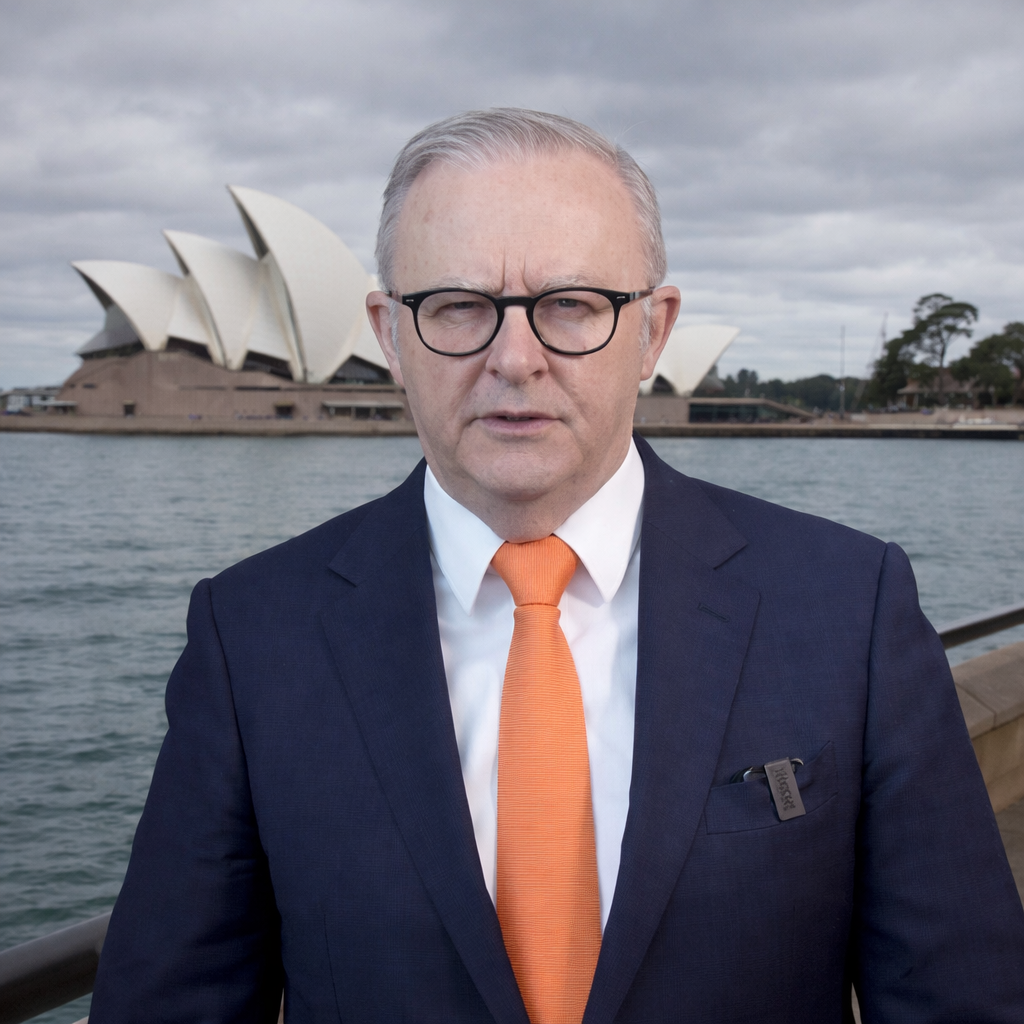
Since winning office in May 2022, the Albanese Government’s main “done so far” story is a mix of targeted cost-of-living measures and some big structural policy shifts, with most of the tangible hip-pocket changes flowing through tax, childcare, energy rebates, and medicines. On tax, Labor rewrote the Stage 3 package via the Treasury Laws Amendment (Cost of Living Tax Cuts) Bill 2024 so the 2024–25 cuts applied from 1 July 2024 but redistributed benefits toward low and middle incomes rather than flattening the system as originally designed. Childcare is another centrepiece: the government lifted the Child Care Subsidy settings so families earning under $530,000 remain eligible and many families received higher subsidy rates, with ministers citing typical savings for middle-income households using care multiple days a week. On energy bills, Canberra partnered with states and territories to deliver the Energy Bill Relief Fund, including up to $300 in relief for households and up to $325 for eligible small businesses under the 2024–25 program, building on earlier rounds. And on medicines, the government’s cheaper-medicines agenda has been implemented through PBS settings that now include 60-day prescriptions for many items (meaning eligible patients can get double medication on one script) and a reduction in the maximum PBS co-payment for general patients to $25 from 1 January 2026, alongside a longer freeze on the concessional co-payment. Put together, these measures are designed less as one giant “stimulus” and more as a rolling set of recurring savings that show up in weekly budgets, while still being constrained by inflation concerns.
Those cost-of-living moves sit alongside a deliberate attempt to reshape workplace rules after years of political stalemate on industrial relations. The Fair Work Legislation Amendment (Secure Jobs, Better Pay) Act received royal assent in December 2022 and made wide changes across bargaining, job security, gender equality, and enforcement, with the government arguing it modernises the system and supports wage growth. After that, Labor pushed further through its “Closing Loopholes” agenda, including regulated labour hire settings that allow labour hire workers to apply for protected pay rates no less than what they would receive if employed directly by the host, a policy commonly described as “same job, same pay.” The key practical point is timing: applications and framework changes started earlier, but the orders themselves were designed to take effect from 1 November 2024. In parallel, the government has leaned into aged care workforce and quality reforms that flowed from earlier sector reviews. One of the clearest requirements now in force is the “24/7 RN” rule: at least one registered nurse must be onsite and on duty at all times at each residential aged care home (subject to exemptions), a change framed as lifting minimum safety standards and accountability in the system. The common thread across IR and care policy is that Labor has prioritised regulatory levers that alter baseline standards in the labour market, rather than relying only on one-off payments.
Climate and housing are the other two pillars where the government has aimed for structural change, although outcomes depend heavily on implementation and the private sector response. On climate, the Safeguard Mechanism is central: it sets legislated emissions baselines for Australia’s largest industrial facilities, and the reformed model is built around baselines declining “predictably and gradually” to support the national target of 43% below 2005 levels by 2030 and net zero by 2050. The government’s argument is that this is how you get industrial decarbonisation without pretending heavy industry can switch overnight, while critics debate whether the caps, offsets settings, and enforcement are tight enough. On housing, Labor set up the Housing Australia Future Fund (HAFF) as an investment vehicle established on 1 November 2023 by the Housing Australia Future Fund Act 2023, intended to generate ongoing funding for social and affordable housing and other acute housing needs. That long-term supply focus sits next to demand-side access schemes, most notably Help to Buy, a shared equity model where the government takes an equity stake (commonly up to 40% for new homes and 30% for existing, depending on settings) to reduce the deposit and mortgage hurdle for eligible buyers. The political tension here is obvious: Labor frames it as widening access and lifting supply; opponents argue shared equity can push up prices if supply does not rise fast enough. The government’s credibility on housing will hinge on whether new social and affordable dwellings actually materialise at scale and whether broader construction constraints ease.
Beyond domestic reform, the Albanese Government has taken some defining swings in national security, fiscal messaging, and Indigenous affairs, with mixed political results. On defence, Labor has reaffirmed and operationalised the AUKUS nuclear-powered submarine pathway, with official statements outlining a staged approach that includes increased allied submarine visits and rotations to Australia from 2027 and the planned acquisition of US Virginia-class submarines from as early as the 2030s. As recently as mid-February 2026, reporting highlights continued major investments tied to submarine infrastructure and workforce, underscoring that AUKUS is not just a diplomatic slogan but an expensive, long-horizon industrial project. On budgets, Labor has consistently pointed to improved bottom lines and a “repair” narrative. The Finance Minister’s statement on the 2022–23 final budget outcome described it as the first surplus in 15 years and argued most revenue upgrades were banked rather than spent. Separate analysis of the 2023–24 final budget outcome also describes a second consecutive surplus (though smaller than 2022–23), reinforcing Labor’s claim that it can fund new commitments while still improving headline fiscal results when revenues are strong. On Indigenous affairs, the government’s most ambitious institutional reform was the 2023 referendum to constitutionally recognise First Peoples by establishing an Aboriginal and Torres Strait Islander Voice. The official AEC national results page documents the double-majority requirement and the outcome, which was not carried. The net picture, then, is a government that has delivered a lot of legislated change across wages, climate and social policy, while still being judged daily on whether living costs and housing availability feel better for ordinary households, and whether long-run projects like AUKUS and decarbonisation translate into tangible security and economic gains rather than just bigger price tags.
Discover more from The Oceanic Press
Subscribe to get the latest posts sent to your email.