
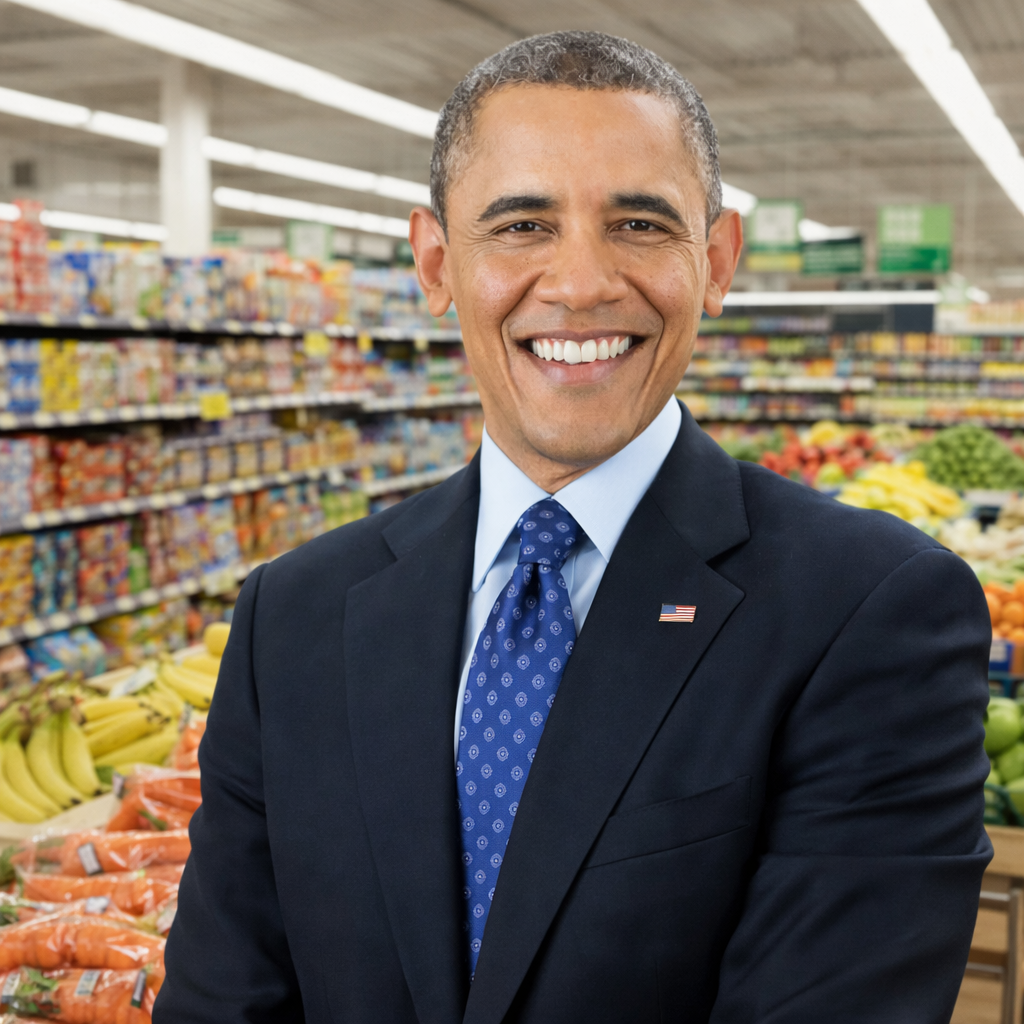
Barack Obama served as the 44th President of the United States from January 2009 to January 2017, entering office during one of the most turbulent periods in modern American history. The country was in the grip of the global financial crisis, unemployment was surging, and confidence in financial institutions had collapsed. Obama’s early presidency was dominated by efforts to stabilise the economy. His administration backed a large economic stimulus package, the American Recovery and Reinvestment Act, aimed at preserving jobs, investing in infrastructure and supporting state governments. Supporters credit the measures with helping to halt the economic freefall and setting the stage for a prolonged recovery, while critics argue they expanded federal spending and debt.
A defining domestic achievement of Obama’s presidency was the Affordable Care Act, commonly known as Obamacare. Signed into law in 2010, the legislation sought to expand health insurance coverage through Medicaid expansion, subsidies for private insurance and the creation of online marketplaces. It also prohibited insurers from denying coverage based on pre-existing conditions. The law proved deeply divisive, sparking years of political battles and legal challenges. Nonetheless, it significantly reduced the uninsured rate in the United States and remains one of the most consequential health reforms in decades.
On foreign policy, Obama inherited wars in Iraq and Afghanistan. His administration oversaw the formal end of US combat operations in Iraq in 2011 and pursued a gradual drawdown in Afghanistan, though US involvement there continued beyond his presidency. In 2011, US forces carried out a raid that killed al-Qaeda leader Osama bin Laden, an operation widely seen as a major counterterrorism milestone. Obama also emphasised multilateral diplomacy, helping negotiate the Paris climate agreement and the Iran nuclear deal, formally known as the Joint Comprehensive Plan of Action. These agreements reflected his belief in international cooperation, though both later became subjects of domestic political contention.
Obama’s presidency also unfolded against a backdrop of social change and heightened political polarisation. During his time in office, the Supreme Court legalised same-sex marriage nationwide in 2015, a decision Obama publicly supported. His administration also implemented executive actions on immigration, including protections for certain undocumented immigrants brought to the US as children. At the same time, debates over race, policing and inequality intensified, particularly following high-profile police shootings that sparked nationwide protests.
By the end of his second term, the US economy had seen years of steady job growth, declining unemployment and a recovering housing market. However, partisan divisions in Congress frequently stalled legislative progress, and critics pointed to ongoing challenges such as income inequality and geopolitical instability. Barack Obama left office in January 2017 as the first African American president in US history, with a legacy that continues to shape political debate both within the United States and internationally.
Discover more from The Oceanic Press
Subscribe to get the latest posts sent to your email.